


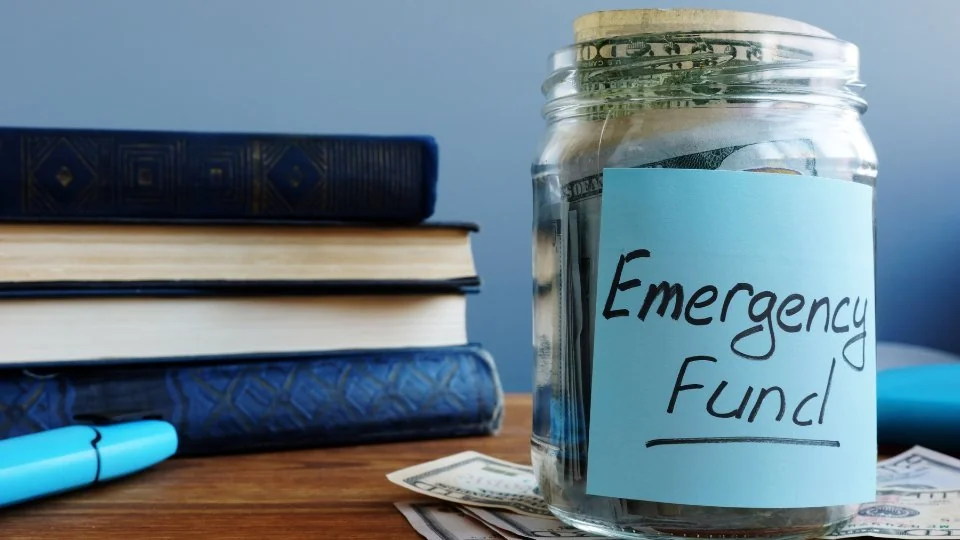
Many Canadians are facing the dilemma of having to choose between paying off debt and building an emergency fund. While debt repayment is important, having a small financial cushion can be the safety net that can prevent future debt when you get hit by unexpected expenses. By creating this buffer, you can give yourself financial security and avoid the need to rely on credit cards or loans when a crisis pops up. At Chande Debt Solutions, we specialize in helping Canadians manage their debt while offering practical tools to build lasting financial stability.
Why Building an Emergency Fund Matters When You Have Debt
The Role of an Emergency Fund in Financial Stability
An emergency fund acts as a financial safety net, offering you protection during life’s unexpected moments, like sudden job loss, a medical emergency, or a surprising costly repair. Without it, many people turn to credit cards or loans, which only adds to their debt burden. Building even a modest emergency fund can help you avoid accumulating more debt, giving you peace of mind when financial challenges hit.
The Psychological Benefits of Having an Emergency Fund
Aside from the financial advantages, having an emergency fund can also reduce stress and anxiety. Knowing you have a cushion for unplanned expenses helps you stay calm and in control, improving your ability to make sound financial decisions. It creates peace of mind and empowers you to manage your finances more confidently.
How to Start Saving While Paying Off Debt
Assessing Your Financial Situation
The first step is to closely examine your income, current debts, and monthly expenses. A full financial assessment can identify areas where you might be overspending. Discretionary expenses, like dining out or subscription services, can be adjusted to free up funds for debt repayment and emergency savings. Setting realistic goals based on your individual circumstances is critical to making steady progress.
Creating a Dual Budget for Savings and Debt Repayment
Once you’ve assessed your finances, it’s time to create a budget that works for both your debt repayment and savings goals. One popular approach is the 50/30/20 rule—50% of your income goes to necessities, 30% to wants, and 20% to savings and debt. Flexibility is essential here. Adjust the percentages based on your unique situation, and review your budget regularly to stay on track.
Prioritizing High-Interest Debt and Setting Savings Goals
When paying off debt and building an emergency fund, focus on high-interest debts first. Methods like the “debt snowball” (paying off the smallest debts first) or the “debt avalanche” (tackling high-interest debts first) can help you stay motivated and make progress faster. While you chip away at debt, set small savings goals—such as $500 or $1,000—to gradually build your emergency fund.
ALSO READ: How to Get Out Debt Without Filing Bankruptcy
Strategies for Building an Emergency Fund on a Tight Budget
Reducing Monthly Expenses to Boost Savings
Small changes can often free up extra funds, even if your budget is tight. Try cutting back on non-essential expenses, like streaming subscriptions, dining out, or looking for deals when shopping for everyday items. These small adjustments can add up over time, helping you contribute to your emergency fund without drastically changing your lifestyle.
Earning Extra Income to Speed Up Savings and Debt Repayment
If trimming expenses isn’t enough, consider ways to increase your income. Part-time work, freelancing, or selling items you no longer need can boost your finances. This additional income can be used to accelerate debt repayment and emergency savings, helping you reach your financial goals faster.
Practical Tips for Balancing Debt Repayment with Emergency Savings
Setting Up Automated Savings Transfers
A straightforward way to make saving easier is to set up automatic transfers to your emergency fund. Even small, regular amounts can add up over time, and automation ensures consistency. Use a separate account that’s not easily accessible to reduce the temptation to dip into your savings for non-emergencies.
Making Adjustments as Your Financial Situation Changes
As your income or expenses change, so should your budget. Regularly review your progress and adjust your savings and debt repayment goals as needed. If you get a raise, consider allocating a portion of the extra income to your emergency fund. As your debt decreases, you can also focus more on building your savings.
How Much Should You Save for an Emergency Fund?
Determining the Ideal Emergency Fund Size for Your Needs
When deciding how much to save, start with a manageable goal like $500 or $1,000. Once you reach that, aim to build enough to cover 3-6 months of essential expenses, especially if you have dependents or your job situation is less stable. The size of your emergency fund should reflect your monthly costs, family size, and employment situation.
Setting Realistic Savings Goals Based on Your Debt Situation
Your savings goal should be achievable, given your current financial situation. If you’re dealing with significant debt, focus on setting smaller, incremental savings targets while steadily paying down your debt. As you make progress with debt, you can gradually increase your savings goals.
Tools and Resources to Help You Stay on Track
Budgeting Apps and Financial Tracking Tools
Plenty of apps and tools are designed to help you manage debt and savings. Budgeting apps can track your spending, help you set savings goals, and give you visual milestones to keep you motivated. Find one that allows you to easily customize your savings targets and monitor your progress.
Seeking Professional Guidance from Chande Debt Solutions
If managing debt and building savings feels overwhelming, consider working with a professional. Chande Debt Solutions provides expert advice and customized plans to help you pay off debt while building financial security. Whether it’s working with a Licensed Insolvency Trustee or a financial advisor, we can help you navigate these challenges with confidence.
Balancing Financial Security and Debt Repayment
In conclusion, balancing debt repayment with building an emergency fund is crucial to long-term financial security. You can achieve both with careful planning, realistic goals, and the right tools. Chande Debt Solutions is here to help Canadians manage debt and create a stable financial future.
The experienced Licensed Insolvency Trustees of Chande Debt Solutions are focused on personal debt relief and insolvency services. We know that filing a consumer proposal or bankruptcy is a serious matter, and we want to ensure that you are well informed and don’t rush into any solutions. All of our consultations are free, without time limits.
Call us today at 416-366-3328 or fill out our convenient online form to learn how we can help you recover financially.
